Data & AI Transformation - Cloud

TL;DR Introduction Businesses collect data from CRMs, ERPs, websites, applications, databases, and cloud platforms. Yet, having more data does not always make decisions easier. Disconnected systems can create duplicate records,...

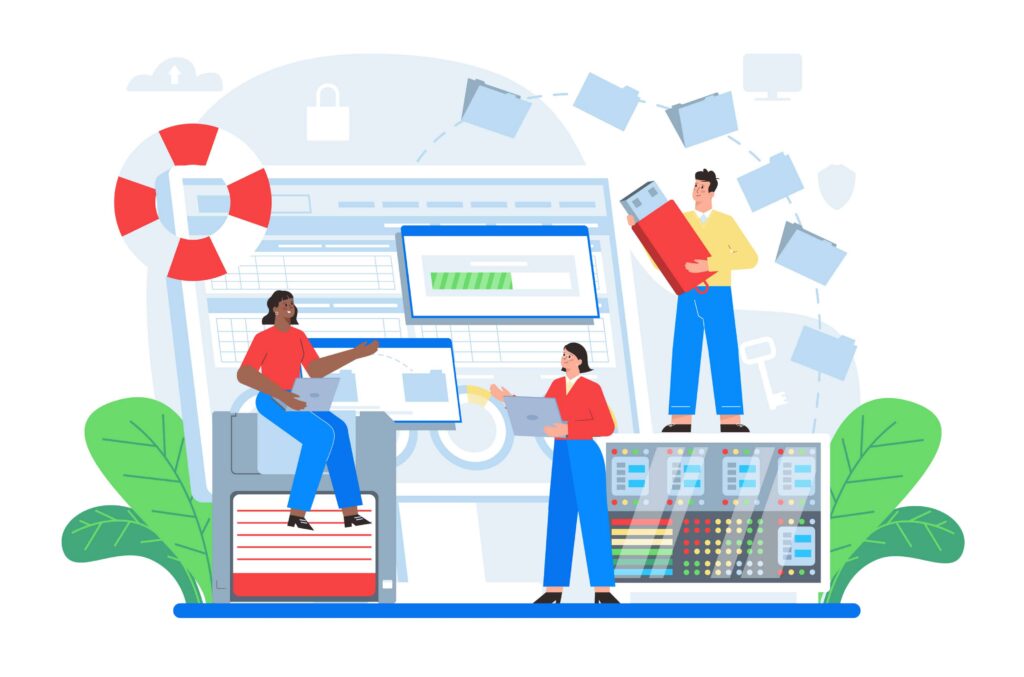
TL;DR Snowflake vs Databricks is the most consequential data platform decision most data teams make in 2026. Both are cloud-native, both handle large data volumes, and both have invested heavily...
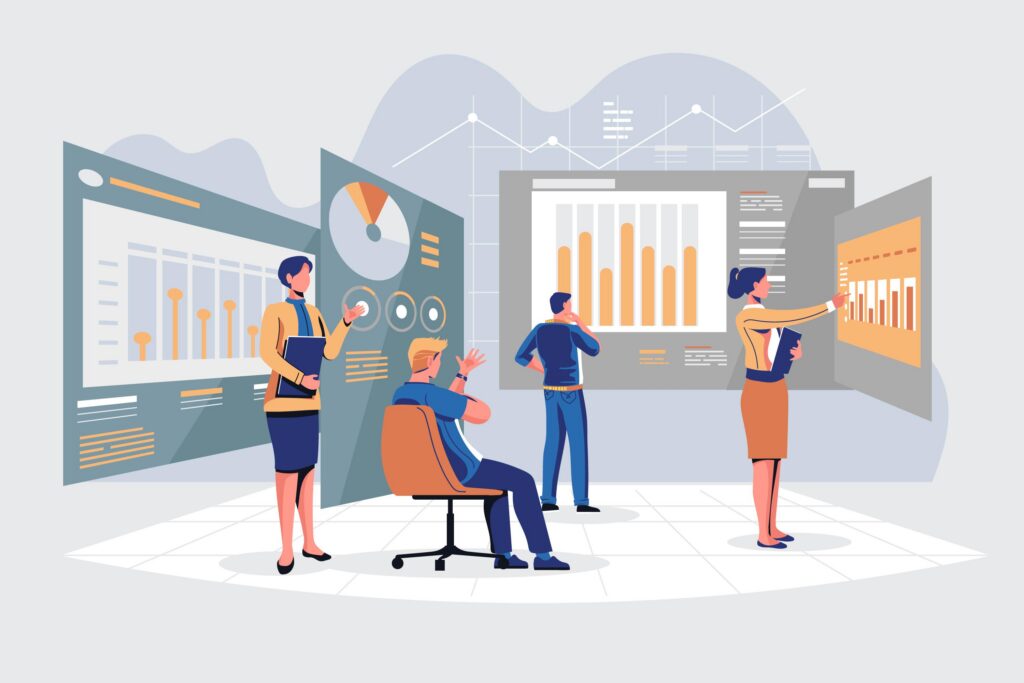
TL;DR Enterprise data analytics is the process of collecting, processing, and analysing large-scale business data to drive operational and strategic decisions across an organisation. It goes well beyond spreadsheets and...

Predictive analytics in supply chain uses AI, machine learning, and data modeling to forecast demand, optimize inventory, and improve logistics planning. It enables businesses to make proactive decisions, reduce disruptions,...
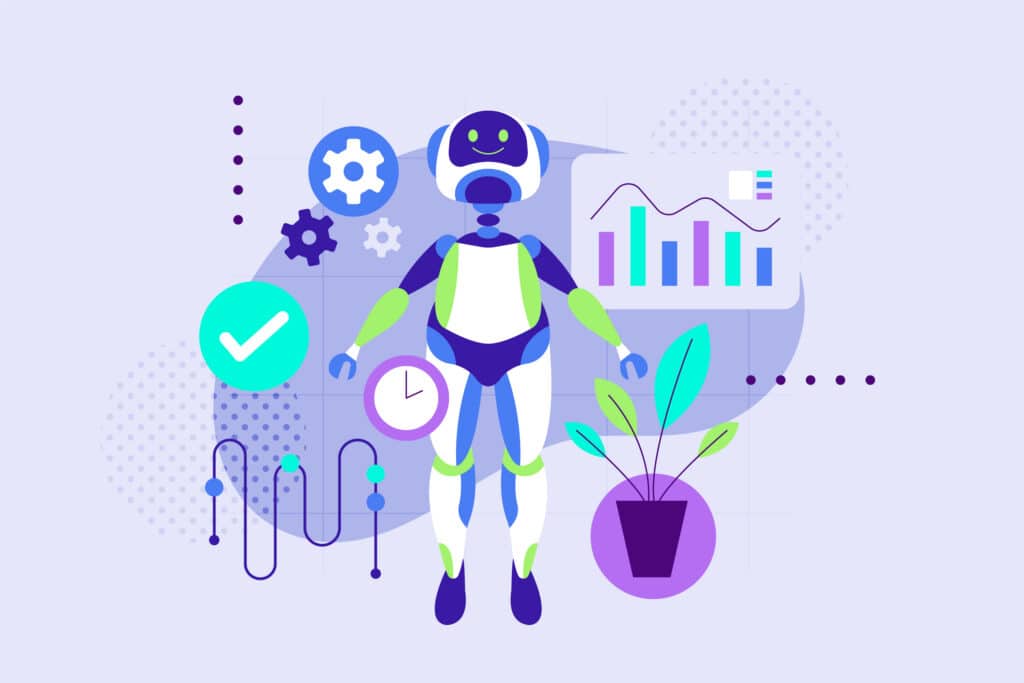
Proven applications delivering measurable value across marketing, operations, and software engineering Generative AI for business has moved from experimental novelty to a critical driver of measurable ROI. By leveraging large...

Architecture, security frameworks, and engineering best practices for production-grade AI Building secure and scalable AI applications requires a multi-layered approach combining robust data governance, high-performance cloud infrastructure, and advanced security...

Why the model is only 10% of the equation — and what makes up the other 90% Successful enterprise AI systems are defined not by which model you choose, but...

A practical, phase-by-phase guide for connecting AI to the systems you already have To integrate generative AI successfully, businesses must adopt a modular approach that connects modern AI models with...

Data modernization is the process of updating and transforming an organization’s data architecture, tools, and processes to meet modern business needs. This blog explains the benefits, strategies, services, and solutions...