Data modernization is the process of updating and transforming an organization’s data architecture, tools, and processes to meet modern business needs. This blog explains the benefits, strategies, services, and solutions of data modernization, helping enterprises achieve agility, scalability, and actionable insights from their data. By following this guide, decision-makers will understand how to modernize legacy systems, integrate advanced analytics, and optimize data-driven operations with American Chase’s expertise.
What is Data Modernization?
Data modernization involves updating legacy data systems, platforms, and processes to leverage modern technology such as cloud-based storage, advanced analytics, AI, and automated workflows. It ensures that businesses can access, process, and analyze data efficiently, driving faster decision-making and innovation. At American Chase, we assist enterprises in transitioning to modern data architectures while minimizing operational disruption, ensuring that data is secure, scalable, and fully optimized for business use.
Modernizing data is not just about migrating it to new systems; it includes improving data quality, establishing governance protocols, enabling real-time analytics, and integrating disparate sources. By implementing a robust data modernization strategy, organizations can ensure that their data supports predictive insights, automation, and strategic growth initiatives.
Why Data Modernization is Critical in 2025
Organizations face increasing volumes of data and complexity from multiple sources, including IoT devices, cloud applications, and legacy systems. Without modern data architectures, businesses risk slow performance, operational inefficiency, and missed opportunities. Data modernization ensures that companies remain competitive by enabling advanced analytics, AI readiness, and agile decision-making.
American Chase supports businesses in modernizing data to adapt to the dynamic digital landscape. Companies that modernize can reduce operational costs, improve security compliance, and enhance scalability. Modern data platforms also empower teams to innovate faster, automate repetitive tasks, and leverage actionable insights in real time, giving them a decisive advantage over competitors.
Key Benefits of Data Modernization
• Improved Data Accessibility and Agility
Modernized systems allow employees and stakeholders to access data in real time across platforms, eliminating bottlenecks. Enhanced accessibility ensures that teams can quickly analyze and act on insights, driving faster decision-making and operational efficiency.
• Enhanced Analytics and AI Readiness
Data modernization enables seamless integration with AI and advanced analytics tools. Businesses can derive predictive insights, implement intelligent automation, and make data-driven strategic decisions. American Chase helps clients design architectures that support AI-ready data ecosystems.
• Cost Optimization Through Legacy System Modernization
By moving away from outdated and inefficient legacy systems, organizations can reduce maintenance costs, optimize storage, and consolidate redundant infrastructure. Modernization allows companies to achieve more with less while maximizing ROI.
• Stronger Security and Compliance
Modernized data platforms incorporate the latest security protocols, encryption standards, and compliance frameworks. This reduces the risk of data breaches and ensures regulatory adherence across industries.
• Scalability with Modern Data Architecture
Flexible, cloud-ready architectures allow businesses to scale storage, processing, and analytics capabilities according to evolving needs. Enterprises can quickly respond to growth demands without overhauling their systems.
Core Data Modernization Strategies
• Legacy System Modernization Approaches
Organizations often need to refactor or re-architect legacy databases and applications. This ensures compatibility with modern platforms while improving performance and maintainability.
• Cloud-Based Data Platform Modernization
Migrating data to cloud platforms enhances accessibility, scalability, and integration with advanced tools. American Chase assists enterprises in selecting the right cloud architecture tailored to their business objectives.
• Data Transformation Services and Integration
Data is transformed to standardized formats, enriched with analytics-ready features, and integrated across systems. This allows seamless interoperability and consistency across departments.
• Automated Data Modernization Frameworks
Automation reduces manual effort in data cleaning, migration, and integration. AI-powered frameworks speed up modernization, reduce errors, and enhance reliability for enterprise operations.
Data Modernization Services & Solutions
• End-to-End Data Modernization Services
American Chase provides comprehensive services covering assessment, strategy formulation, migration, implementation, and optimization to ensure seamless modernization.
• Industry-Specific Data Modernization Solutions
Solutions are tailored to sectors such as finance, healthcare, retail, and manufacturing, addressing unique compliance, analytics, and operational requirements.
• Managed Services and Ongoing Optimization
Ongoing support and optimization ensure that modernized data architectures continue to deliver efficiency, scalability, and actionable insights long-term.
Common Challenges in Data Modernization
• Data Silos and Integration Complexity
Connecting legacy systems with modern platforms can be complex, requiring careful planning and standardized protocols.
• Ensuring Data Quality and Governance
Poor data quality can compromise analytics and AI readiness; organizations must implement robust validation and governance measures.
• Migration Costs and Resource Allocation
Modernization requires investment in technology, tools, and skilled personnel, which can strain budgets without proper planning.
• Change Management and Employee Training
Employees must adapt to new systems and workflows, making training and change management critical for success.
• Security and Compliance Risks During Transition
Transferring data involves potential security vulnerabilities and compliance challenges that need proactive mitigation strategies.
Real-World Data Modernization Use Cases
• Financial Services: Banks and insurers modernize data to enhance real-time fraud detection, risk analysis, and customer personalization.
• Healthcare: Hospitals and research institutions integrate electronic health records, AI analytics, and predictive models for improved patient care.
• Retail: Retailers leverage modernized data to optimize supply chains, forecast demand, and enhance customer experiences.
• Manufacturing: Data modernization enables predictive maintenance, production optimization, and operational efficiency improvements.
How to Build a Modern Data Architecture
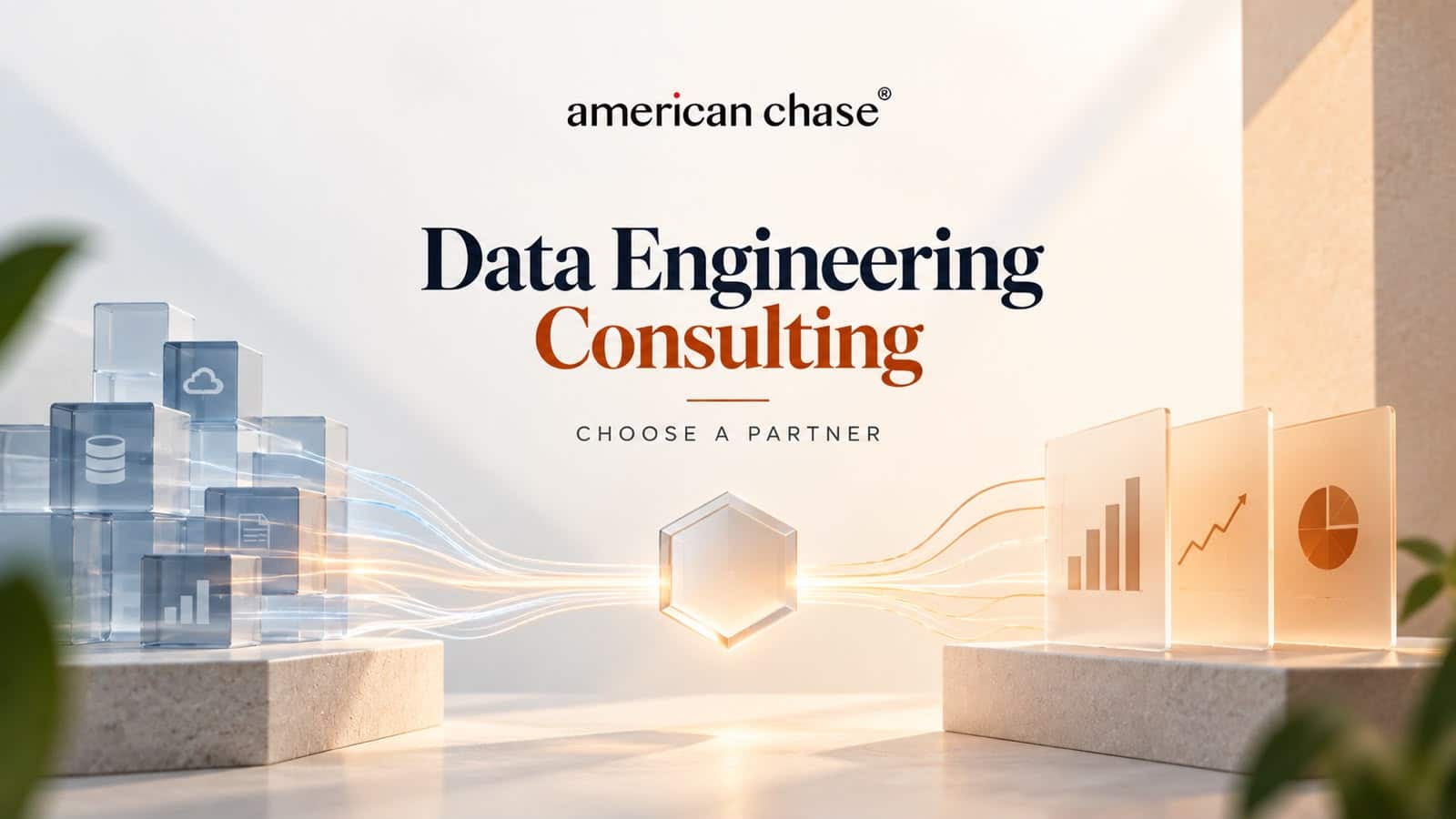
A modern data architecture involves a combination of cloud infrastructure, data lakes, AI-ready storage, and analytics pipelines. American Chase helps enterprises design systems that are flexible, secure, and scalable. Key elements include data governance frameworks, real-time integration capabilities, advanced analytics tools, and automated data pipelines to ensure agility, reliability, and compliance across business operations.
FAQs About Data Modernization
What is data modernization in simple terms?
Data modernization updates legacy systems and processes to leverage modern tools, improving accessibility, security, and analytics capabilities.
Why is legacy system modernization important?
It reduces maintenance costs, improves performance, and enables integration with modern platforms for better decision-making.
What are data modernization services?
These services include assessment, strategy, migration, integration, and ongoing optimization of enterprise data systems.
How does automated data modernization work?
Automation uses AI and tools to clean, migrate, and integrate data efficiently while reducing errors and manual effort.
What is modern data architecture?
It is a scalable, flexible, and secure system combining cloud storage, analytics-ready data, and real-time integration capabilities.
How long does a data modernization project take?
Project duration varies with complexity, often ranging from several months to over a year for large enterprises.
What are common data modernization solutions?
Solutions include cloud-based platforms, automated migration tools, legacy system refactoring, and AI-ready data lakes.
Is data modernization only for large enterprises?
No, organizations of all sizes can benefit by improving efficiency, scalability, and actionable insights.
What tools are used in data platform modernization?
Tools include cloud migration platforms, ETL solutions, data integration frameworks, and AI-enabled analytics software.
How does data transformation improve analytics?
It standardizes and enriches data, making it actionable for predictive insights, AI applications, and strategic decisions.
Conclusion
Data modernization is essential for enterprises seeking agility, scalability, and actionable insights in a digital-first world. By updating legacy systems, integrating AI-ready platforms, and automating workflows, businesses can enhance performance, reduce costs, and remain competitive. American Chase provides end-to-end expertise in data modernization, helping organizations implement modern data architectures, leverage advanced analytics, and drive measurable business outcomes efficiently.